
Skip to content

PEOPLE LEADERSHIP · ORGANISATIONAL DEVELOPMENT

People decisions shape the whole organisation.

I’m Helen Kreisberg. More than twenty years in HR have confirmed one thing for me: humanity and clear principles work best together. Good people management helps organisations make better decisions — especially when situations get difficult.

Helen Kreisberg, portrait photograph on a light background
People & Culture
  • 0120+ years in HR
  • 02Cleveron — work towards fairer pay
  • 03Fairness, clarity, consistency
  • 04Fontes · career guidance

About

Humanity needs structure. Structure needs humanity.

I have worked in HR for more than twenty years. Over that time I’ve seen that people don’t remember an organisation by its policy documents, but by how decisions are actually made — and explained.

My work centres on People & Culture: compensation principles, supporting managers, and the everyday people decisions that need to be both humane and defensible. At Cleveron, I’ve been part of the work to ground pay decisions in shared, explainable principles.

I believe good people management isn’t a department. It’s the way a company makes decisions about people — including when the answer isn’t what everyone hoped for.

Fair pay

Fair pay doesn’t come from a spreadsheet alone.

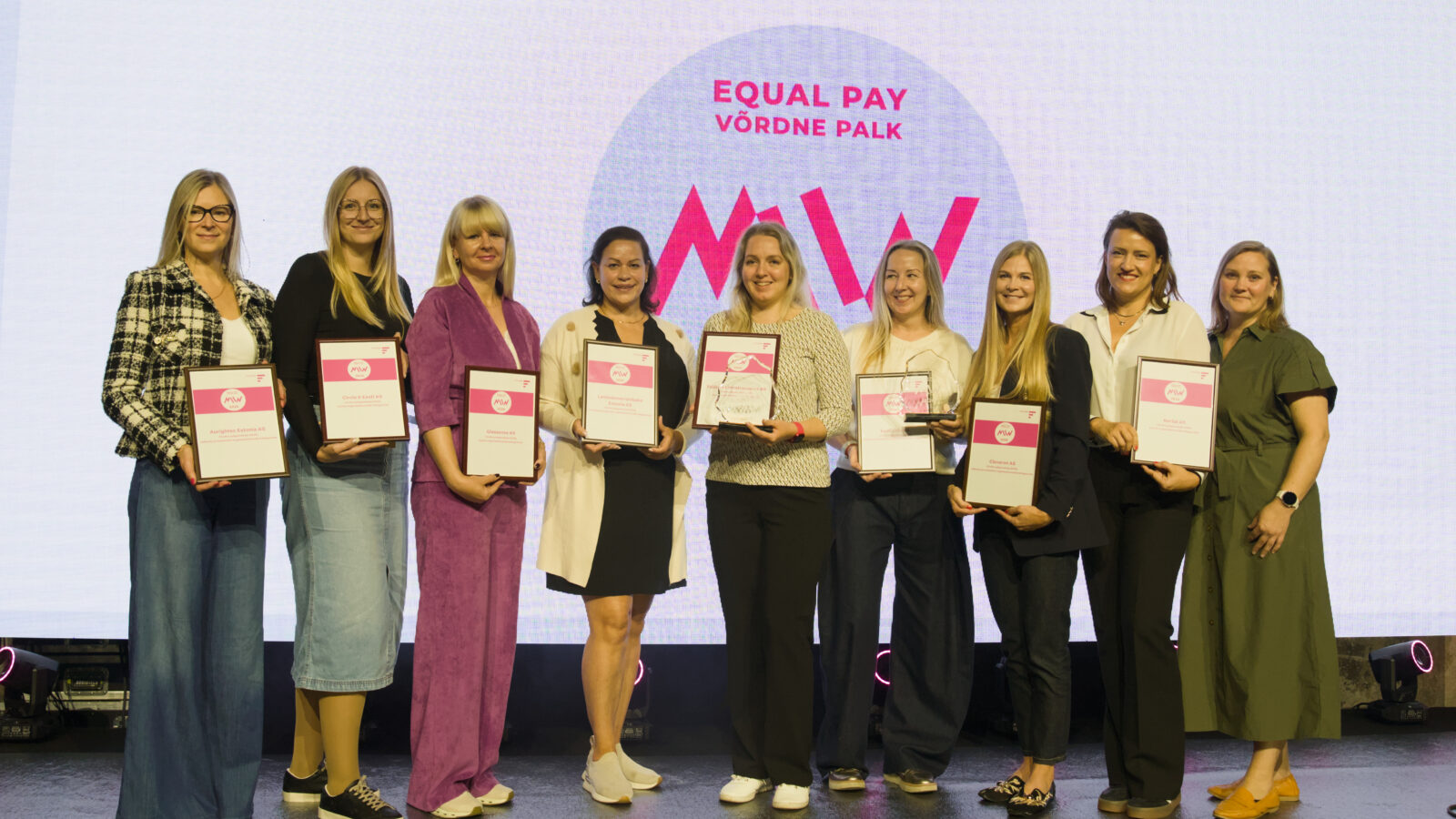
Company representatives holding certificates on stage at the Equal Pay / Võrdne palk recognition event, including a Cleveron representative
Equal Pay recognition event, 2026. Photo: Cleveron

Cleveron was a nominee for Figure Baltic Advisory’s Equal Pay Employer 2026 recognition. It isn’t one person’s achievement — it reflects work done with managers, day after day.

I’ve spoken publicly about how we’ve worked with managers towards more consistent pay principles: comparable roles assessed on the same basis, exceptions explained, and decisions that can still be justified later. The spreadsheet is a tool; fairness comes from consistent decisions.

Leadership

Good leadership is more than a comfortable conversation.

Three principles I rely on when managers have to make — or explain — difficult people decisions.

  1. I

    Clarity

    People need to know how their work is assessed and how their pay is set. If a manager can’t explain a decision in a sentence or two, the principle isn’t clear yet — even to them.

  2. II

    Consistency

    Same situation, same logic. Exceptions are allowed, but they’re named and justified. Trust rarely breaks over one hard decision; it breaks when similar cases are treated differently.

  3. III

    Courage

    Have the difficult conversation on time, not once the problem has grown. Courage also means being willing to say “no” — and standing by it when the reasoning is honest.

Career guidance & coaching conversations

You don't have to figure out every career decision alone.

Sometimes the next step isn't a new job. It starts with understanding what really fits.

In 2025, I completed a four-month career counselling and career management development programme with Fontes Talent Advisory. It gave me practical counselling and coaching-conversation methods for helping people explore their strengths, possibilities and next career steps. What matters most to me is listening carefully and asking questions that help people find their own answers.

When your next step is unclear

Explore what matters most in your work today and which options deserve a closer look.

When your strengths and role no longer align

Reflect on your strengths, expectations and the kind of work where you can contribute at your best.

When organisations want better career conversations

Explore how managers can support people's development through meaningful conversations rather than formalities.

Completed development programme · 2025

Fontes career counselling and career management development programme · 4 months

Fontes' current programme name: Career Partnership Development Programme

Projects and focus areas

Two questions worth asking differently.

I am interested in noticing problems earlier and preparing people for situations in which they are not always treated on equal terms. These projects connect my experience in people leadership with practical tools and a human perspective.

SIGNALTRUE01

01 · Workload and working conditions

SignalTrue

An annual engagement survey can offer valuable depth, but may miss how workload changes between survey cycles. SignalTrue explores how team-level changes in working patterns can be reviewed weekly, without reading personal messages.

The question we're trying to answer

Are meeting demands, after-hours activity, interruptions or limited focus time increasing? Did a change reduce workload, or simply move it elsewhere?

My contribution

I bring a people-leadership perspective to the patterns: what should a manager ask, when should employees be consulted, and what should actually change?

Aggregated metadata cannot directly measure job satisfaction or diagnose burnout. These signals need employee feedback and accountable human judgment.
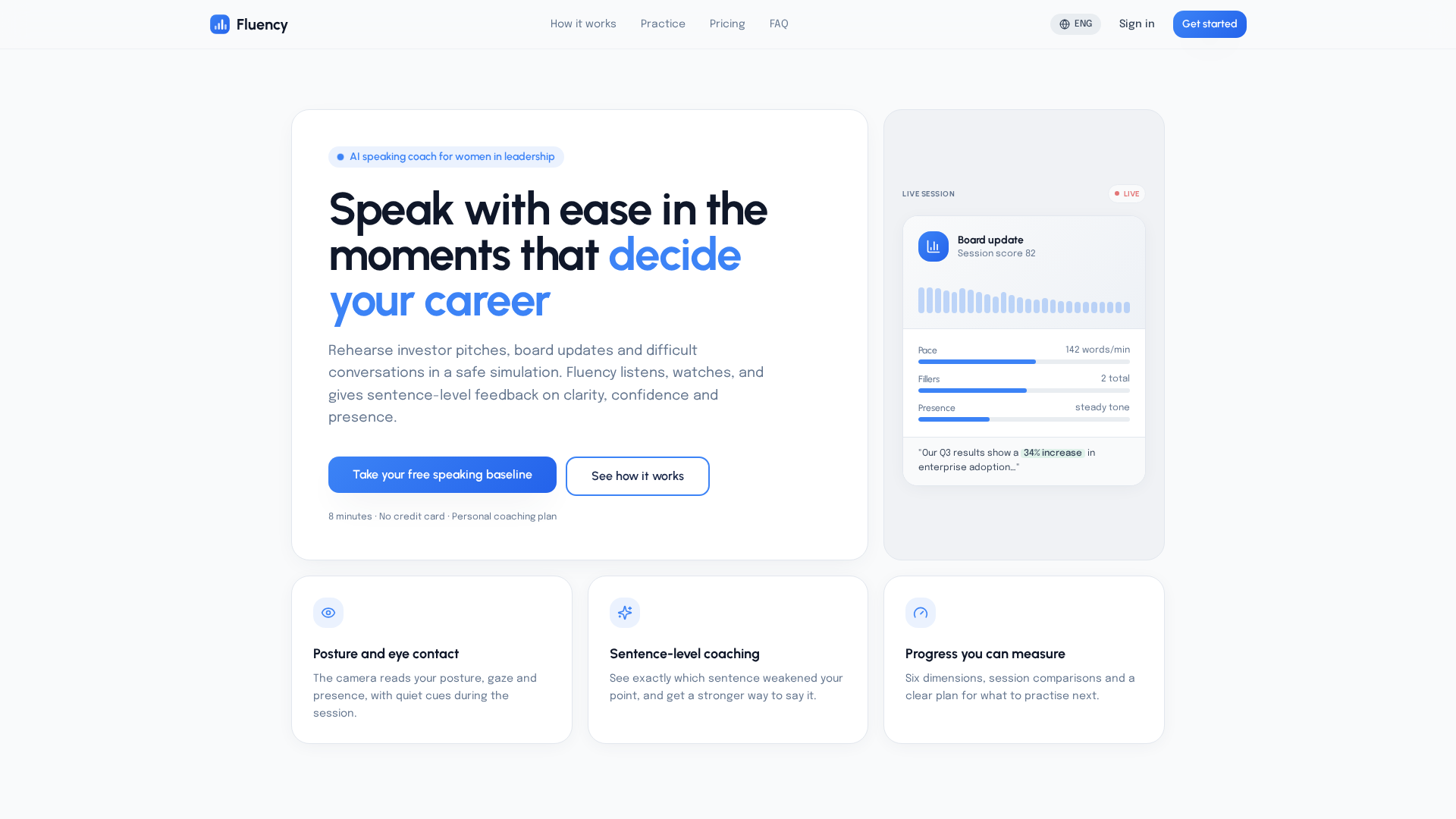

Public preview screenshot of the Fluency communication coaching web app

02 · Fair treatment and confident communication

FluencyMe

Women founders and leaders can find themselves defending ideas in situations where the questions focus more on preventing failure than creating growth, or where interruptions and credibility challenges shape the conversation. FluencyMe focuses on practising those high-stakes moments.

What people can practise

Investor Q&A, board presentations, difficult negotiations, keeping the floor after interruptions, and communicating clearly under pressure.

Why it matters to me

Fairer treatment requires organisations to make better decisions. People also deserve practical ways to prepare for demanding conversations. Practice helps, but responsibility for unfair questions remains with the person asking them.

67% of investor questions to men focused on growth, while 66% of questions to women focused on avoiding losses.

These figures concern TechCrunch Disrupt Q&A sessions from 2010–2016. They do not describe all investors or imply that all men behave alike.

Read the research ↗

The questions we ask matter.

Research suggests that founder gender can shape the questions investors ask. Fairer evaluation requires comparable questions and transparent criteria. Coaching alone cannot fix biased treatment.

Research background ↗

Interactive diagnostic

Can your organisation clearly explain its pay decisions?

Six questions, about two minutes. See where your pay decisions are already clear and where your principles could be sharpened.

This runs entirely in your browser. Nothing is stored or sent anywhere.

Perspectives

Perspectives that shape my work.

01

Fairness is built in everyday decisions.

Not in the annual report, but in small choices.

02

Kindness doesn’t mean avoiding difficult conversations.

Honesty at the right time is a form of care.

03

Feeling good doesn’t replace working well.

Wellbeing starts with clear work.

Articles

Questions worth asking before making the decision.

All articles ↗
Career guidance · leadership · 7 min read

Your next key hire may already work for you.

How career counselling and coaching conversations reveal abilities and opportunities organisations fail to see.

Read article ↗
Colleagues at a real workplace meeting
Christina / WOCinTech · Unsplash

Experience

Practical experience. A broad view.

More than 20 years in HR, including People & Culture work at Cleveron. The themes I work with:

See the full CV on LinkedIn ↗
People & Culture
People management principles that support both the company’s development and people’s everyday work.
Compensation principles
Consistent, explainable pay decisions made together with managers; Cleveron’s equal pay work.
Supporting managers
Help with difficult conversations, decisions and explaining them to the team.
Organisational development
Structure and ways of working that stay humane through growth and change.
Career guidance
Four-month Fontes programme in career counselling and management; supporting reflection on strengths, role fit and informed career decisions.

Good conversations can change good decisions.

If you’d like to discuss people leadership, compensation or career decisions, get in touch on LinkedIn.

Connect on LinkedIn ↗